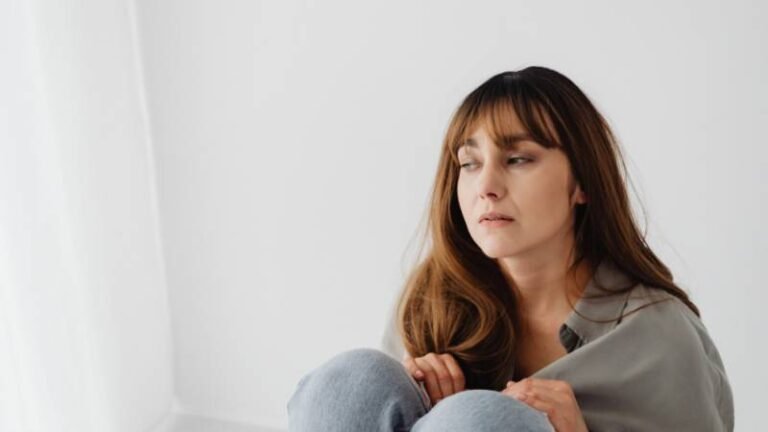
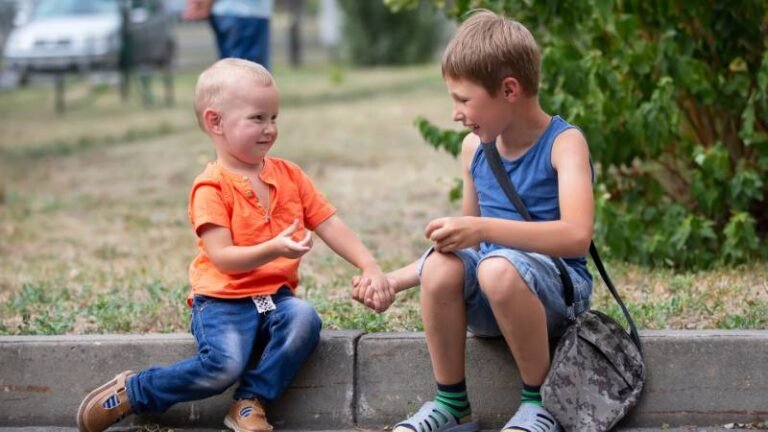
Signs and symptoms of autism in children in the first 3 years of life:
Autism appears during the first 3 years of a child's life and detecting it in time is decisive in helping him in his development and providing the necessary care. It is usually said that there are three types of profiles:
- The child who is born with all the characteristics of autism.
- Children who have a typical development that one day suddenly stops evolving and returns to the entire picture of autism.
- Children who, after having typical development on that sudden day, unlearn everything that evolved naturally until that day. They unlearn, they forget the words, they stop interacting with what they previously reacted to, losing the skills they had achieved.
Hay diversos síntomas que pueden ser determinantes a la hora de saber si tu hijo padece autismo:
- Aplausos, aleteos, balanceos o giros: Es común que los bebés aplaudan, sacudan sus manos ante una emoción…pero si luego de los 3 años, estos siguen haciéndolo y aparecen sin causa aparente y muestra una gran preferencia a atender objetos que giran o realizar balanceos puede deberse a la necesidad de autoestimulación, algo presente en el autismo.
- Golpearse en la cabeza o conductas agresivas: Otro de los hábitos causados por la autoestimulación. Es un hábito peligroso y se debe tratar de prevenir y reconducir esta conducta para evitar que pueda lastimarse.
- Avoiding, losing or not establishing eye contact: Another characteristic of autism is eye contact difficulties. If your child doesn't look you in the eye, it could be a warning sign.
- Deficiencies in language and communication: If a child is over 3 years old and uses few or no words, does not attend to spoken language or verbal calls, it may be a sign that he or she may have autism.
- They become irritable frequently: Irritability in the face of changes, transitions, and rigidity can be common among children with autism. Any change in their lives can cause anxiety and discomfort and cause uncomfortable behaviors.
Signs and symptoms in older children
As children get older, the red flags for autism become more diverse. There are many warning signs and symptoms, but they generally revolve around impaired social skills, speech and language difficulties, non-verbal communication difficulties, and inflexible behavior.
Symptoms of social difficulties related to autism:
- He seems disinterested or unaware of other people or what is happening around him.
- He doesn't know how to connect with others, play games, or make friends.
- Prefers not to be touched, held or hugged
- Does not play symbolic games or participate in group games, does not imitate others or use toys creatively
- You have trouble understanding feelings or talking about them.
- Doesn't seem to listen when others talk to him
- Does not share interests or achievements with others (drawings, toys)
Basic social interaction can be difficult for children with autism spectrum disorder. Many children on the autism spectrum seem to prefer to live in their own world, distant and separated from others.
Signs of speech and language difficulties:
- Does not exhibit language or speech in an atypical tone of voice, or with an unusual rhythm or tone (for example, ends each sentence as if asking a question)
- Repeats the same words or phrases over and over, often without communicative intent
- Responds to a question by repeating it (echolalias), instead of answering it
- Uses language incorrectly (grammatical errors, incorrect words) or refers to himself in the third person
- Has difficulty communicating needs or desires.
- Does not understand simple instructions, statements or questions.
- Take what is said too literally (lose nuances of humor, irony and sarcasm)
Children with autism spectrum disorder have difficulties with speech and language. Often, they do not have language or begin to speak late and with difficulty.
Signs of non-verbal communication difficulties:
- Uses facial expressions that do not match what he or she is saying.
- Does not pick up other people's facial expressions, tone of voice, and gestures.
- He makes very few gestures (such as pointing). You may appear cold or "robot-like."
- Reacts unusually to sights, smells, textures, and sounds. You may be especially sensitive to loud noises. He may also be unresponsive to people entering or leaving, as well as to others' efforts to attract the child's attention.
- Atypical posture, clumsiness, or eccentric ways of moving (e.g., walking exclusively on tiptoe)
- Avoid eye contact.
Children with autism spectrum disorder have trouble detecting subtle nonverbal cues and using body language. This makes the “give and take” of social interaction very difficult.