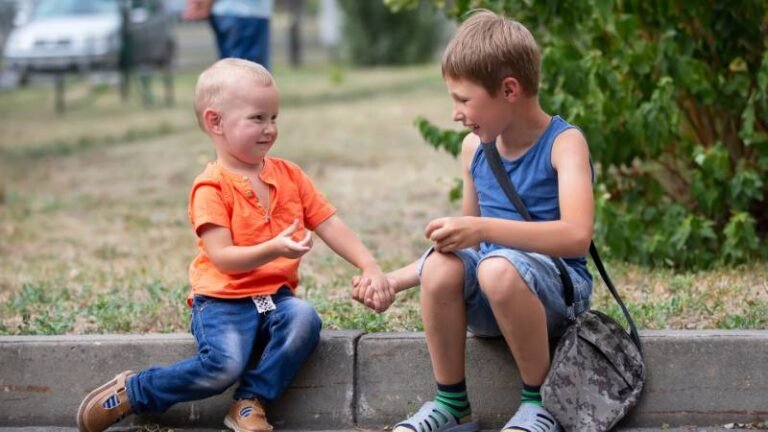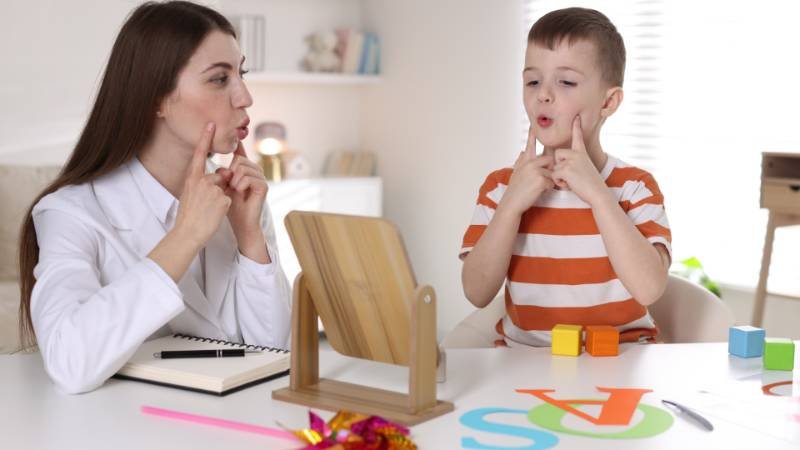
When therapy becomes play, learning flourishes
Many parents and professionals tell me this in consultations:
“Cristina, my son doesn’t want to do the activities. He gets frustrated, bored, or just gets up and leaves.”
And I completely understand. Because behind that phrase there's something deeper: speech therapy shouldn't feel like an obligation, but rather like a space where the child has fun, connects, and feels capable.
In this article I want to share with you how to transform sessions —whether at home, at school or in therapy— into moments full of motivation, play and real learning.
1. Getting to know the child: the key to connecting
Before planning any activity, the most important thing is to observe.
What does he like? What sounds does he repeat? What rhythm activates him? What stimuli calm him?
Sometimes we look for complex materials and forget that the best starting point is their interest.
If you love cars, use cars for work shifts, vocabulary, engine sounds.
If you enjoy music, make the sounds part of the game.
When the child feels that the activity “speaks their language”, their participation changes completely.
2. Make the game the main language
Children don't learn because they are told "repeat", they learn because they play, explore and get excited.
A rolling ball can be an exercise in taking turns, an opportunity to say "go," "roll," "look."
A drum can be transformed into a rhythmic sequence that stimulates imitation and joint attention.
The secret is not to separate play from therapy.
Because when a child laughs, the brain is more receptive to learning.
Motivation activates the dopaminergic system and enhances the retention of new words and sounds.
3. Reinforce without pressure: celebrate every small step forward
Sometimes adults expect "great results": a word, a phrase, a clear action.
But in the world of language, advances are often subtle.
A shared look, a new vocalization, or an attempt at imitation are already achievements.
Positively reinforcing each attempt, without forcing or over-correcting, keeps motivation alive.
The goal is not to "make it perfect", but to enjoy the process of learning to communicate.
You can use natural reinforcers (applause, hugs, music, a favorite song) or visual ones (stickers, achievement cards). The important thing is that the child feels proud of what they accomplish.
4. Integrate therapy into daily life
One of the keys to success is taking therapy out of the office.
Language is built in daily life: when getting dressed, cooking, bathing, playing in the park.
For example:
While preparing the snack, name each ingredient.
In the bathroom, describe what you do: “water”, “soap”, “dry”.
In the car, sing together or play sound games (“where is the red car?”).
When language becomes part of the routine, learning becomes natural.
Furthermore, this strengthens the emotional connection between the adult and the child, which is the true driving force of development.
5. Create visible and achievable goals
Children need to know they are making progress.
You can use a visual chart showing progress: “Today I looked”, “Today I pointed”, “Today I imitated”.
Visualizing achievements increases motivation and gives meaning to the sessions.
In the VICON Method we do this through small visual and musical objectives that accompany each level.
It's not about "doing more", but about building a solid foundation step by step so that the child feels successful and enjoys it.
6. Transforming the adult's perspective
Sometimes it's not the child who needs to change, but our way of looking at their process.
When we stop expecting "quick results" and start valuing each attempt, something changes in us too: anxiety decreases and connection increases.
And from that calm, the child responds better.
Remember: speech therapy is not about teaching words, it's about building connections.
And bonds only grow in an environment where there is play, music, and affection.
In summary
Making speech therapy a fun experience doesn't mean losing structure, but rather giving soul to learning.
It means looking at the child as someone capable, curious, and eager to communicate in their own way.
When play, music, and emotion come into play, language ceases to be a goal and becomes a natural consequence.
Join our community
If you want to transform language sessions into experiences full of music, emotion and real connection, join the VICON Method community.
Discover how hundreds of families and professionals are helping children enjoy the process of learning to communicate.
Because when they have fun, language flourishes.