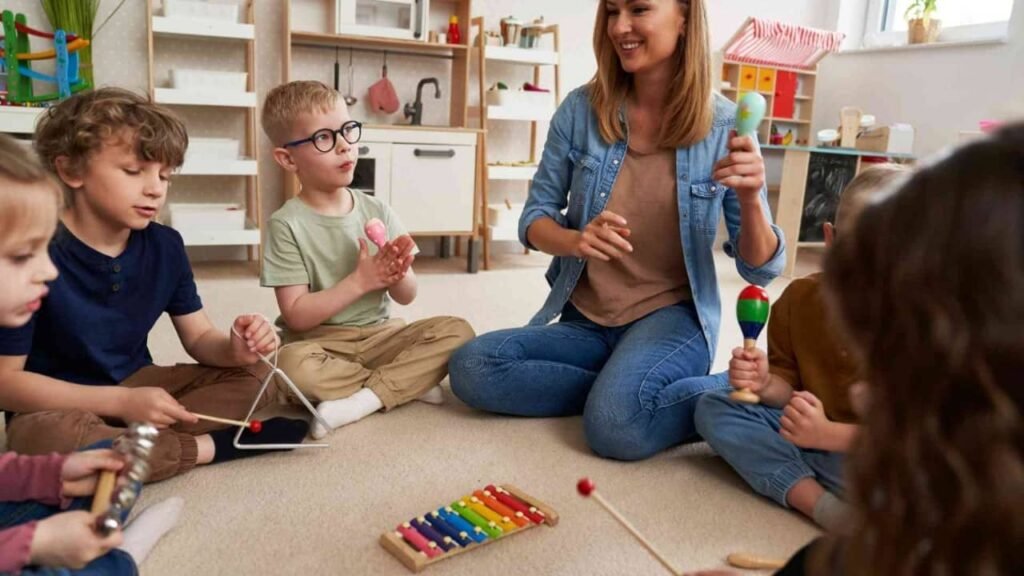
Emotional and sensory self-regulation is a fundamental skill for all children, especially those with special educational needs. Learning to manage their emotions and respond appropriately to environmental stimuli helps them improve their communication, social interaction and general well-being.
Two very effective tools for strengthening self-regulation are play and music. Through these activities, children can channel their emotions, calm down, and improve their ability to pay attention and respond. Below, we share practical strategies to apply at home, in therapy, or in the classroom.
🎵 1. Music as a tool for emotional regulation
Music has a direct impact on the nervous system and can be used to calm, motivate or focus children's attention. Here are some ways to incorporate it:
✔️ Relaxing music to reduce anxiety: Use soft melodies, nature sounds, or instrumental music when your child needs to calm down or prepare for an activity.
✔️ Rhythmic rhythms to organize the body and mind: Songs with repetitive and marked patterns help structure attention and improve coordination.
✔️ Songs with movement: Musical games such as rhythmic clapping or dancing following instructions promote sensory and emotional regulation.
👉 In the VICON Method, we have a list of songs designed to promote self-regulation in children , helping them develop joint attention and emotional control.
🎲 2. Sensory games to balance emotions
Sensory play allows children to explore textures, movements, and sounds that help them regulate. Some effective ideas include:
✔️ Deep pressure games: Wrapping them in a blanket, using heavy pillows, or giving firm hugs promotes calm.
✔️ Materials with different textures: Plasticine, kinetic sand or sensory balls help with tactile self-regulation.
✔️ Sensory boxes or corners: Creating a space with soft lights, cushions, and sensory objects provides a calm refuge when the child feels overstimulated.
👉 The VICON Method videos include imitation games with music and movement that encourage self-regulation in children.
✋ 3. Rhythmic movement to organize emotions
Movement helps children release tension and structure their energy. Some recommended activities include:
✔️ Rocking and swinging to the rhythm of the music: Provides security and emotional regulation.
✔️ Clapping or hitting surfaces rhythmically: Promotes coordination and helps release emotions.
✔️ Breathing exercises with movement: Inhaling while raising your arms and exhaling while lowering them helps connect the body with the emotion.
👉 In the VICON Method, we use sign language along with musical rhythm to reinforce the development of imitation and communication.
📖 4. Interactive stories for self-regulation
Storytelling with visual or tactile support helps children understand and manage their emotions.
✔️ Stories with pictograms: They facilitate the understanding of emotional states.
✔️ Stories with pauses to breathe and move: They allow emotional regulation to be internalized.
✔️ Stories about emotions: They help children identify and express what they feel.
👉 In the VICON Method, we have stories within the levels that encourage attention and the development of self-regulation.
Play and music are powerful tools to help children with special needs regulate their emotions and sensory response. Applying them at home, in therapy and at school will make a huge difference in their development and well-being.
If you are not yet part of our community, you can access the VICON Method program for free for 7 days and discover practical strategies to stimulate learning and communication.
🔹 Would you like to learn more about these strategies? Leave us your comment or share this article with whoever needs it. 😊




One Response
thanks for info.