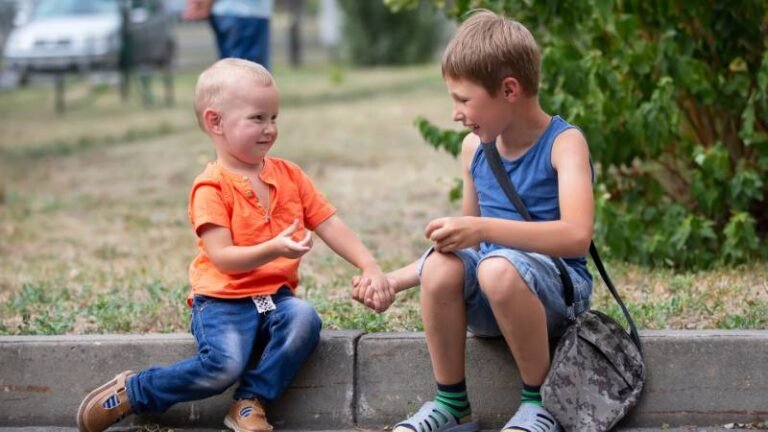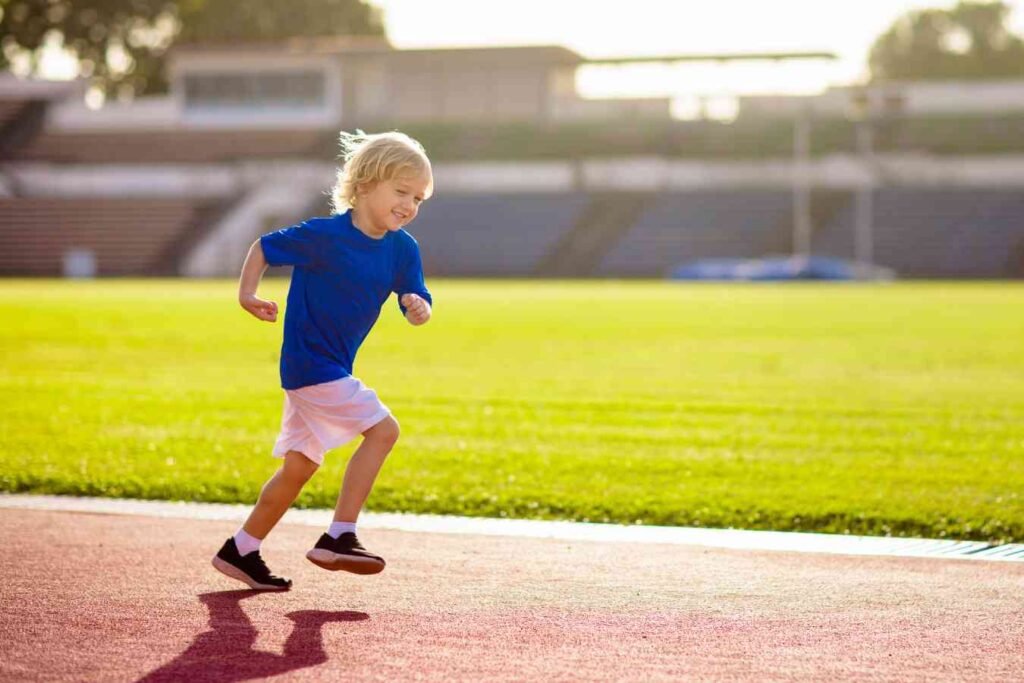
Aquí tenemos al último perfil, conjunto de unas Inteligencias Múltiples más orientadas al cuerpo, al movimiento y la actividad, donde el centro es la acción y la experimentación. Terminamos con el niño kinestésico el último de los tres perfiles (5% de la población).
They are those who need to be personally and physically involved in learning, better in movement, practicing and practicing. They have the need to face new challenges of physical and manual skills. They have slower but much deeper learning. They move and gesture with ease and physically express their emotions. When they think they look down and to the sides. The biggest weakness is that he is not interested in what he cannot practice.
These children process information associating it with their sensations and movements , with their body , thus using the body/kinesthetic representation system. Learning using the kinesthetic system is slow, much slower than with either of the other two systems, the visual and the auditory. Kinesthetic learning is also profound . They can learn a list of words and forget them the next day, but when you learn to ride a bike, you never forget. Once we know something with our body, that we have learned with muscle memory , it is very difficult for us to forget it. Children who preferentially use the kinesthetic system therefore need more time than others. We say about them that they are “slow” . This slowness has nothing to do with a lack of intelligence, but rather with their different way of learning . The kinesthetic child needs to do, move and experiment with his or her whole body. When they learn, they often walk or swing to satisfy that need for movement. They look for any excuse to get up and move.
El niño kinestésico destaca en correr, bailar, cantar, reconocer sonidos, melodías y ritmos. Le llaman la atención el teatro, trabajos manuales y utilización de herramientas. Le gusta moverse, tocar y hablar en alto así como el lenguaje corporal. Cantar tararear, tocar instrumentos y escuchar música.
What we can see behaviorally in a kinesthetic child is... he responds to physical signs of affection, he likes to touch everything, he moves and gestures a lot. it express its emotions with movement. It learns what it touches and what it does, moving, processing information through bodily sensations. You need to be personally involved.
He likes stories and action adventures, he moves by learning, he is not a great reader. Your Memory remembers what you did or the general impression it made on you, but not the details. Stores information through “ muscle memory” . His imagination is structured with few, poorly detailed images, always in motion. During periods of inactivity , it moves. In terms of communication , it is a child who gestures when speaking. He doesn't listen well. He gets very close to his interlocutor and also gets bored quickly when the explanations are auditory or visual and do not involve him in some way.
Tell us more about your kinesthetic child?
Cristina Oroz Bajo